
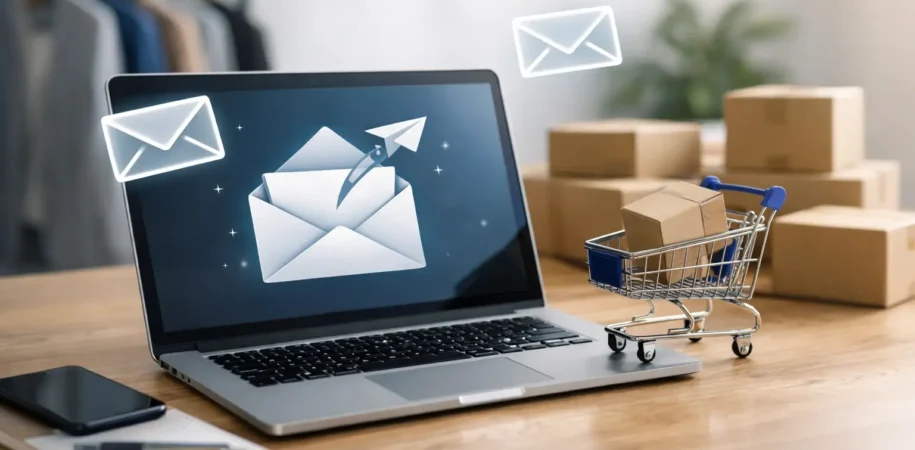

A customer who buys once from your online store is not a finished transaction. They are the beginning of a relationship. Email marketing for ecommerce stores gives you a direct, measurable way to bring that customer back, introduce the right products, recover missed sales, and build a brand people remember after they close the browser.
For Shopify and other ecommerce businesses, email is especially valuable because you are not renting access to your audience the way you do on social media. Your email list is a business asset. Used well, it supports the sales work your website, product pages, search visibility, and paid campaigns are already doing.
Why Email Marketing Still Drives Ecommerce Growth
A polished online store can attract visitors, but most visitors will not purchase during their first session. They may be comparing prices, waiting for payday, checking reviews, or simply getting distracted. Email gives your business another opportunity to earn the sale without forcing a hard pitch on every interaction.
It also helps improve customer lifetime value. Acquiring a new customer usually requires more time and marketing spend than encouraging a previous buyer to return. A thoughtful post-purchase message, replenishment reminder, product recommendation, or early-access offer can create revenue from customers who already know your business.
The key is relevance. A local specialty food shop should not email a buyer of a gift box the same offer as a customer who regularly orders pantry staples. A fashion retailer should not treat a first-time shopper and a loyal VIP exactly the same. The stronger your customer data and store integration, the more useful your emails become.
Start With a Store and List Built for Conversion
Email performance does not begin in the inbox. It begins on your ecommerce website. If your store is slow, confusing on mobile, or difficult to check out from, even an excellent email campaign will lose sales. Your email platform, Shopify store, product catalog, and customer data should work together cleanly.
Give visitors a clear reason to subscribe. A first-order discount can work, but it is not the only option. Early access to new drops, helpful buying guides, back-in-stock alerts, exclusive bundles, or local event announcements may attract more qualified subscribers. The right incentive depends on your margins, product category, and customer behavior.
Avoid turning the signup form into an obstacle. A simple popup or embedded form that appears at an appropriate moment is usually enough. Ask for an email address first. You can collect more information later through preference forms, purchase history, or a welcome series.
Set Expectations From the First Message
Your welcome email is often one of the most-read messages your brand will send. It should immediately confirm what the subscriber signed up for, deliver any promised offer, and make the next step easy.
More importantly, use it to introduce your business. Explain what makes your products different, whether that is craftsmanship, speed, local expertise, ingredient quality, selection, or customer service. A generic “thanks for joining” email misses an opportunity to establish trust.
For many stores, a short welcome sequence works better than one email. The first message can deliver the incentive. A second can feature bestsellers or customer reviews. A third can answer common buying questions or highlight a product category. Keep the sequence focused on helping a new subscriber make a confident first purchase.
The Automated Emails Every Ecommerce Store Needs
Automation is where email becomes a reliable sales channel rather than another task on the weekly marketing list. These messages are triggered by customer behavior, so they arrive when the content is most relevant.
Welcome Series
Send this to new subscribers who have not purchased yet. Build trust, clarify your value, and guide people toward products that fit their needs. If you offer a first-purchase incentive, include an honest expiration date only when one actually exists.
Abandoned Cart Emails
Cart abandonment is normal. Shoppers leave because they are interrupted, want to compare options, or need more time. A well-timed reminder can bring them back. Start with a helpful, simple reminder. Follow up with product benefits, reviews, answers to shipping questions, or a modest incentive if your margins support it.
Do not make discounts your default solution. Training customers to abandon carts for a coupon can weaken profitability. For premium products or healthy-margin categories, strong photography, clear return policies, and customer reassurance may work better than a price reduction.
Browse Abandonment Messages
A visitor who viewed several products but did not add one to the cart has shown interest, even if their intent is less certain. Browse reminders are most effective when they feature the exact item viewed, a related category, or useful social proof. They should feel helpful, not intrusive.
Post-Purchase Follow-Up
The sale is the start of customer retention. Send a practical order confirmation and shipping update, then follow up after delivery with care instructions, usage tips, or a request for a review. Later, recommend complementary products based on what the customer bought.
A skincare brand may suggest a routine. A home goods retailer may offer matching pieces. A food business may share serving ideas and prompt a reorder. Good post-purchase email marketing adds value before asking for another sale.
Win-Back Campaigns
Customers who have not bought in several months need a different message than brand-new subscribers. Remind them why they purchased, show what is new, and make it easy to return. If they remain inactive, reduce how often you email them or ask whether they still want updates. A smaller, engaged list is more valuable than a large list that ignores your messages.
Segment Before You Send More
Sending more emails is not the same as doing better email marketing for ecommerce stores. Frequency without relevance can drive unsubscribes and damage trust. Segmentation helps you speak to groups based on actual behavior instead of broadcasting one promotion to everyone.
Start simple. Separate subscribers who have never purchased from customers who have. Then consider segments for repeat buyers, high-value customers, recent purchasers, inactive customers, and people interested in specific product categories. A Brooklyn apparel shop, for example, may send a new-season announcement to engaged fashion buyers while reserving replenishment reminders for customers who purchase essentials.
As your store grows, use data carefully. Purchase history, average order value, geographic area, and email engagement can make campaigns more useful. But avoid collecting information just because you can. Every data point should support a clearer customer experience or a better business decision.
Create Campaigns People Want to Open
Automated emails handle critical moments, but regular campaigns keep your brand visible between purchases. The best campaigns are not constant sales blasts. They combine product promotion with useful, timely reasons to engage.
For a retailer, that might mean a new collection, a seasonal buying guide, a limited inventory update, a gift idea, or a customer favorite. For a hospitality business selling gift cards or merchandise, it could mean a holiday experience, local event tie-in, or exclusive offer for past guests. The message should match what your customer is likely thinking about at that time of year.
Write subject lines with clarity. “Your fall favorites are back” is usually stronger than a vague phrase that makes the reader guess. Inside the email, lead with one main goal. Too many buttons, offers, and product categories create hesitation. Use a clear visual hierarchy, concise copy, mobile-friendly spacing, and one primary call to action.
Strong product photography matters, but it cannot compensate for unclear value. Tell shoppers why a product is worth clicking: limited availability, a useful benefit, a new variation, a bundle opportunity, or a proven customer favorite. Every email should make the next action obvious.
Measure Revenue, Not Just Opens
Open rates can be useful directional data, but privacy features make them less dependable than they once were. Focus more heavily on clicks, conversion rate, revenue per recipient, repeat purchase rate, unsubscribe rate, and the sales generated by each automated flow.
Test one meaningful variable at a time. Try two subject lines, a different product arrangement, a revised offer, or a new send time. Give the test enough volume to produce a useful signal. Changing everything at once makes it difficult to know what improved performance.
Watch deliverability as well. High complaint rates, rising unsubscribes, or weak engagement can signal that your list is receiving too much promotional content. Use permission-based signup practices, avoid purchased lists, and remove or suppress persistently inactive contacts when appropriate. Protecting your sender reputation protects your future revenue.
Make Email Part of the Full Ecommerce Experience
Email works best when it reflects the experience customers have on your website. The offer in the message should lead to the correct landing page. Product availability, pricing, shipping information, and brand visuals should match. If a shopper clicks an email on their phone, the path to checkout should be fast and friction-free.
That is why ecommerce growth requires more than a good-looking template. It requires an online store built around customer behavior, reliable technical setup, persuasive UX/UI, and ongoing optimization. SHAH-TECH helps businesses connect those pieces so their website and marketing efforts support the same goal: more confident customers and more completed sales.
Start with the emails closest to revenue, then improve them with real customer data. A well-built welcome sequence and cart recovery flow can do more for a growing store than another month of generic promotions. When every message is useful, timely, and connected to a high-performing website, email becomes a reason customers return instead of another message they ignore.